


Mindfulness Practices for Busy Parents

Chosen theme: Mindfulness Practices for Busy Parents. Welcome to your pocket of calm between lunchboxes, carpools, and late meetings. Here you’ll find simple, science-backed moments of presence that fit real life. Join us, share your experiences, and subscribe for weekly micro-practices that actually stick.

Micro-Moments of Calm in a Hectic Day

60-Second Box Breathing at Red Lights

When the traffic stops, let your attention arrive. Inhale for four, hold for four, exhale for four, hold for four. Repeat slowly. Let the dashboard be your timer, not your taskmaster. Notice shoulders lowering. Share your favorite commute ritual with our community.

Mindful Kettle Ritual

While the water warms, choose one sense to explore. Feel warmth in your hands, listen to tiny pops, smell the rising steam. Name three sensations without judging them. This tiny pause often resets the tone of the entire morning—tell us if you feel it too.

Staircase Check-In

Every time you climb stairs, let the first step be a body scan cue. Feet, legs, belly, jaw, eyes. Ask quietly, “What’s tight? What’s kind?” No perfection, just noticing. Comment below with the objects you use as anchors during your busiest transitions.

Mindful Mornings with Kids

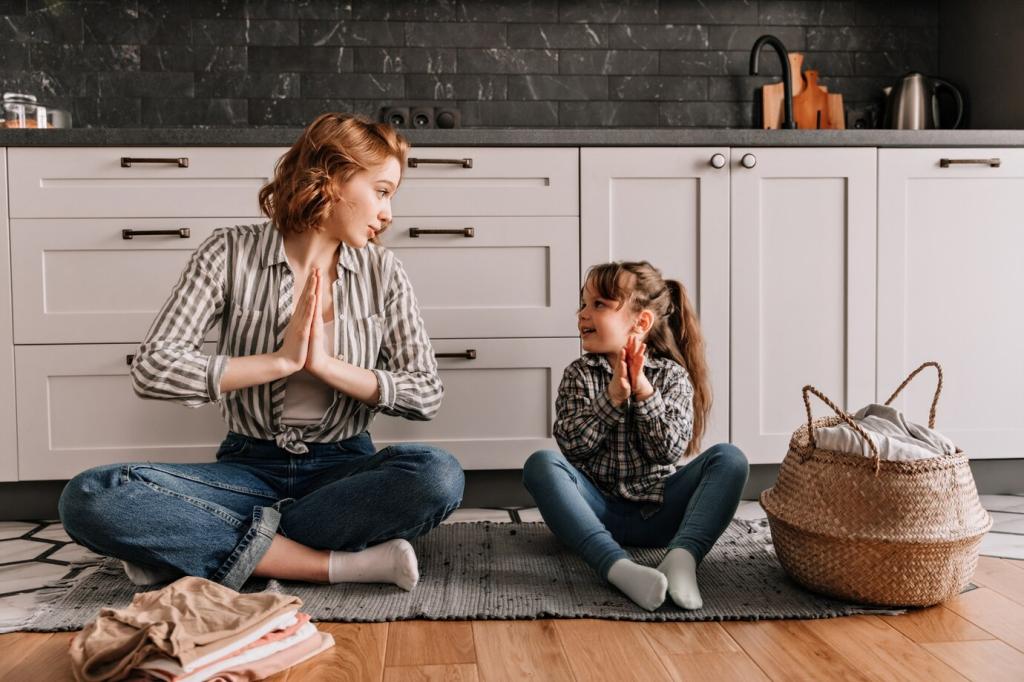
Each person names one ordinary thing they appreciate—cold milk, warm socks, a silly song. Keep it quick and light. Gratitude broadens attention and softens reactivity. Ask your kids to nominate tomorrow’s theme. Share your funniest gratitude moment with fellow readers.

Science Snapshot: Why Mindfulness Helps Parents

Brief, regular mindful pauses can lower cortisol over time and rebalance the prefrontal cortex’s role in decision-making. Translation: more pauses, fewer snap reactions. Even five minutes a day makes a difference. If data motivates you, share which metrics you track.
Children learn calm by seeing calm repaired. When you narrate, “I’m taking a breath because I feel rushed,” you’re teaching emotional literacy. Studies link parental self-regulation with fewer behavior flare-ups. Try narrating once today and report what your child noticed.
Mindfulness practices can improve sleep onset and quality, which supports patience the next day. Better rest boosts executive function—planning, flexibility, remembering the library book. Track a single change for a week and tell us what ripples through your routines.

Technology That Supports, Not Consumes

Set two intentional reminders titled with a verb: “Breathe now,” “Unclench jaw.” Keep them silent and subtle. When they appear, pause for one slow breath. If that feels intrusive, tie reminders to predictable events like opening the fridge. Share what wording works best.

Stories from the School Run

A dad paused mid-cleanup, whispered “This is difficult,” and noticed his tightened chest. Three breaths later, he handed his child a towel and turned the mess into teamwork. The whole scene took ninety seconds. Share your own tiny epiphany; it may help another parent.

Stories from the School Run

A mom reframed a soggy dash as a sound hunt—puddles, gutters, squeaky boots. The rush softened into curiosity. They arrived damp yet smiling, practicing presence without the word mindfulness. Try it this week and tell us what sounds your street sings in the rain.
Mindful Evenings and Bedtime

Doorway Pause Before Re-Entry

Before stepping into your home, place a hand on the doorknob and take one deliberate breath. Name your intention—“Gentle,” “Playful,” or “Steady.” This five-second ritual sets tone more effectively than long lectures. Try it tonight and report the vibe shift.

Two-Minute Body Scan with a Child

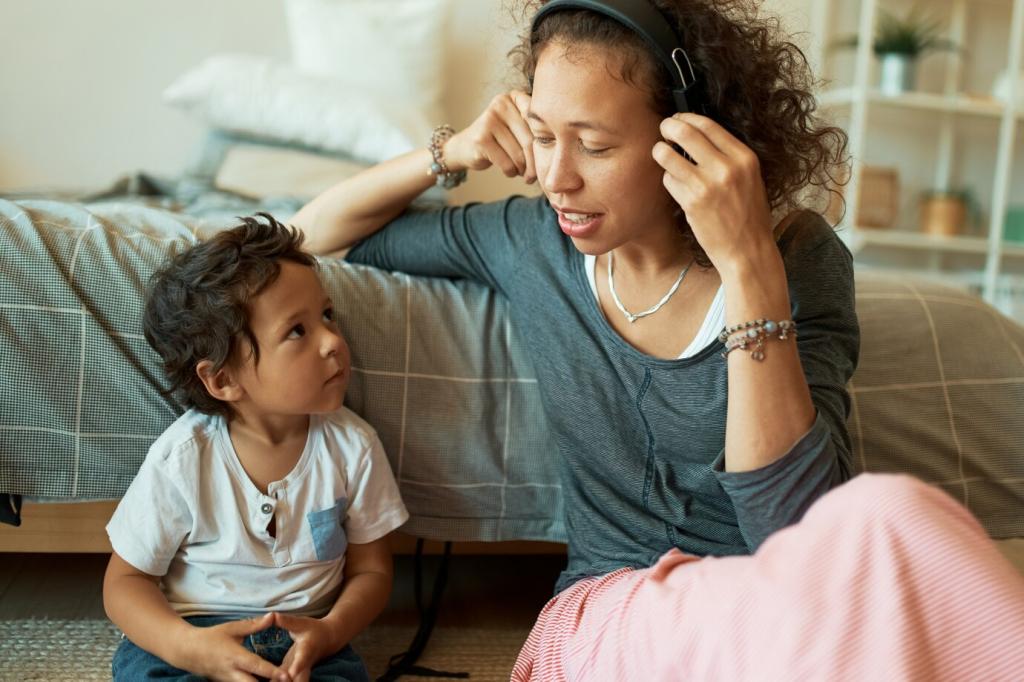
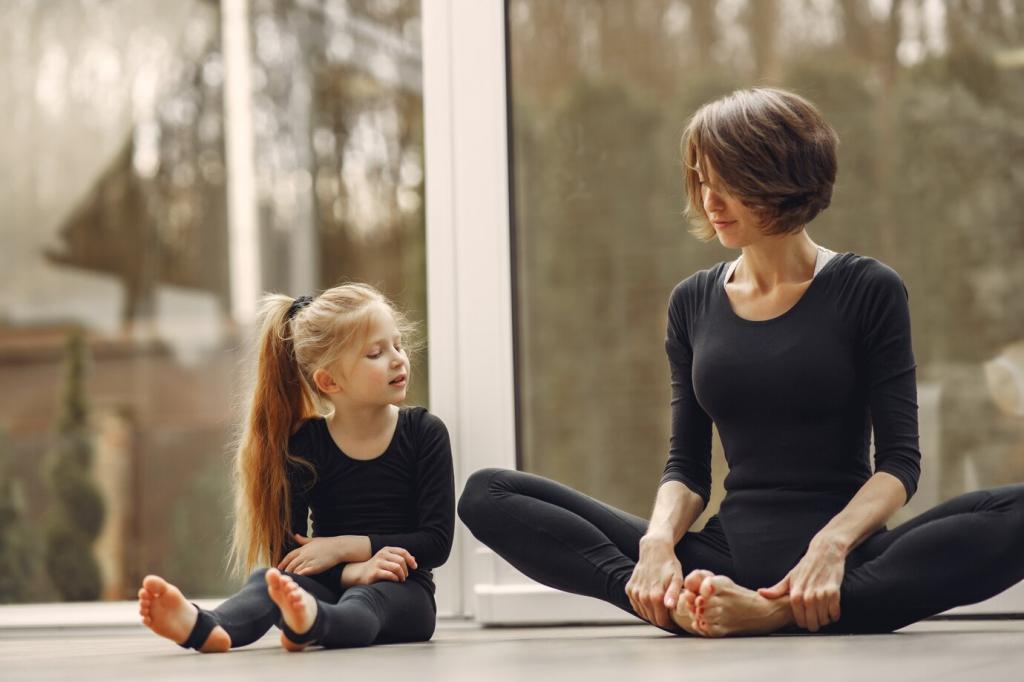
Invite your child to lie down, noticing toes to head like a flashlight of attention. Keep the language playful—“Are your knees sleepy?” This practice often eases bedtime resistance and giggles out tension. Tell us which metaphors make your kiddo light up.

Reflect and Release Journal

Write two lines: one thing that was hard, one thing you’re grateful for. Close by exhaling while tracing a slow spiral on the page. Ritualizing closure helps the nervous system settle. Share your favorite reflective prompts; we’ll feature community favorites.

Habit Stacking Map

List three daily anchors—coffee, commute, dishes—and attach one breath or one sense-check to each. Post the map on the fridge. Tiny habits survive busy seasons. Share a photo of your map (details optional) to inspire other overwhelmed parents.

If-Then Plans for Chaos

Decide ahead: “If sibling squabbles spike, then I will step back, breathe twice, and speak slower.” Pre-decisions spare willpower when emotions flare. Try one plan this week and comment on what changed, even if just five percent.

Community Accountability

Tell a friend or this community what practice you’ll try for seven days. Accountability boosts follow-through. Subscribe for a Friday check-in email and reply with your win or wobble. Your message might be the encouragement someone else needs today.
Billboardandoutdoorconsulting
Privacy Overview

This website uses cookies so that we can provide you with the best user experience possible. Cookie information is stored in your browser and performs functions such as recognising you when you return to our website and helping our team to understand which sections of the website you find most interesting and useful.